What is rhinoplasty?
Rhinoplasty is nose surgery designed to improve nasal shape, proportion and, when appropriate, breathing comfort. A good plan respects the patient's facial anatomy and aims for a natural result that fits the whole face.
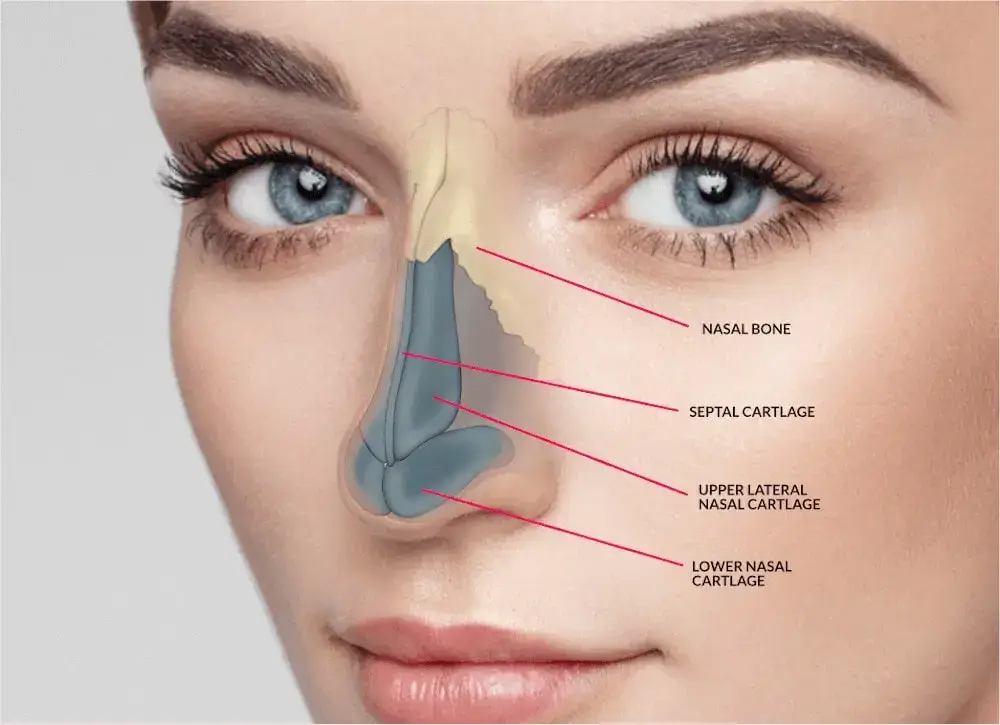
Advantages of Rhinoplasty
- Facial balance
Rhinoplasty can improve harmony between the nose, chin, lips and overall facial profile. - Personalized correction
The plan may address the bridge, tip, nostrils, asymmetry or previous trauma depending on the case. - Natural-looking appearance
The goal is a refined result that still feels like you. - Functional review
When breathing concerns are present, they can be discussed during consultation and planning.
Realistic results
Rhinoplasty success depends on anatomy, surgical planning, healing and clear expectations. During consultation, the team explains what can realistically be improved and what recovery usually involves.
Long-term change
Final rhinoplasty results develop gradually as swelling resolves. Most patients need patience through the healing process before the refined shape becomes fully visible.
Rhinoplasty Planning Areas
The upper profile of the nose and one of the most visible contour areas.
The lower nasal shape, projection and rotation.
The base of the nose, where proportion and symmetry are assessed.
Patient care after rhinoplasty
Recovery requires protecting the nose, avoiding impact, following medication and hygiene guidance, and attending follow-up visits. Swelling improves gradually over weeks and months.
Our approach
Consultation
The first step is understanding your goals, medical history, breathing concerns and facial proportions. The consultation helps define whether rhinoplasty is the right option.
Surgical planning
The surgical plan is built around anatomy, desired refinement and the balance of the full face. The team explains expected swelling, downtime and follow-up.
Recovery support
After surgery, patients receive practical recovery instructions and follow-up support so healing can be monitored properly.
How does rhinoplasty work?
The journey usually includes consultation, medical review, surgical planning, the procedure and recovery. The exact technique depends on the patient's anatomy and the changes required.
Is the process painful?
Rhinoplasty is performed with anesthesia. After surgery, patients may experience swelling, congestion, bruising or discomfort, which is managed with the instructions and medication recommended by the medical team.
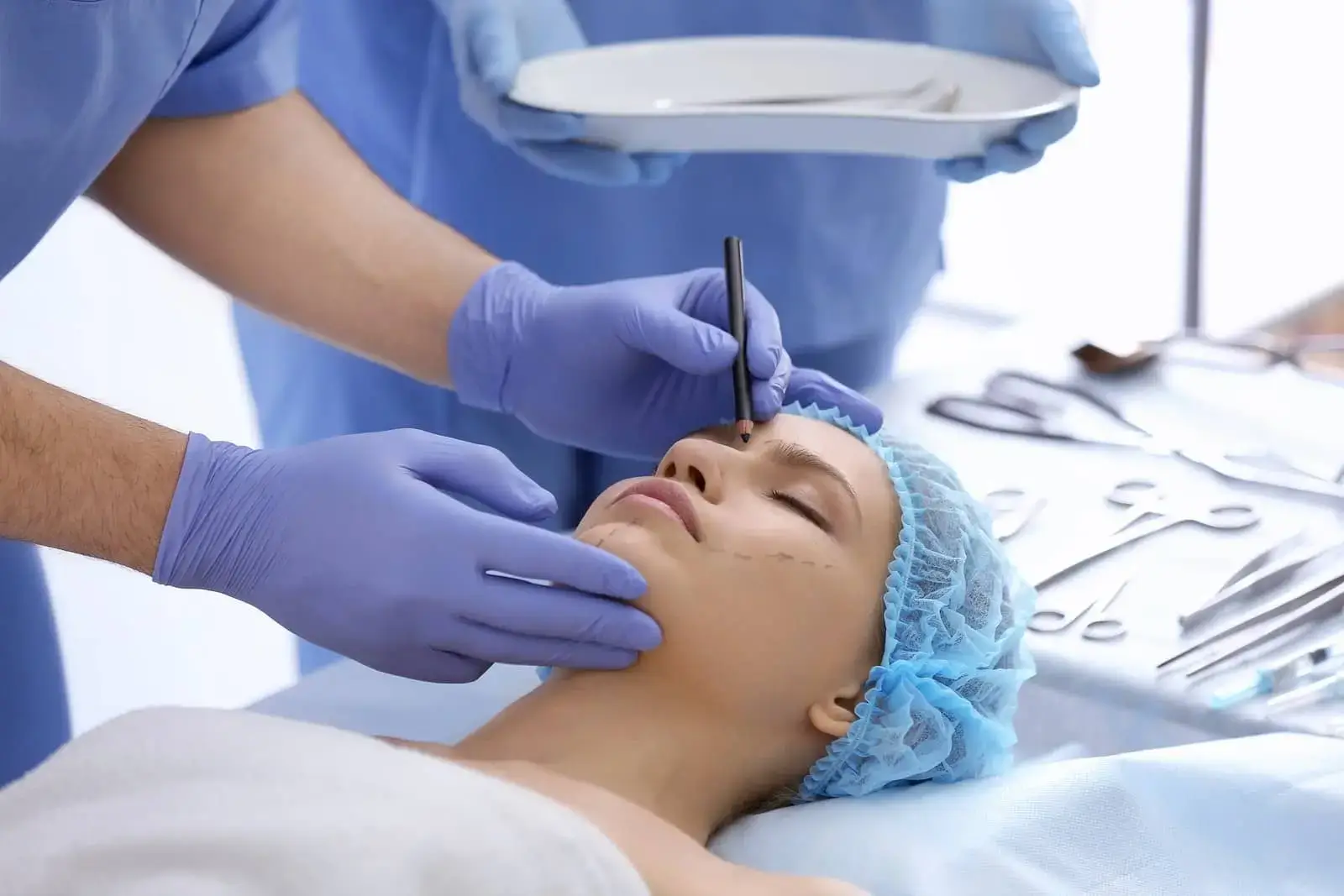
Why choose rhinoplasty at Nobi Aesthetic?
Professional Team
Nobi Aesthetic supports patients with clear communication and experienced aesthetic care.
Careful planning
Each plan is adapted to anatomy, facial balance and realistic patient goals.
Patient support
International patients receive guidance before arrival, during treatment and through follow-up.
Request a Quote
Contact Nobi Aesthetic to begin your aesthetic journey with confidence and care.
Copyrights to Nobi Aesthetic © 2026
The content of this website is protected by copyright and may not be copied or reused without our permission. Any unauthorized use of material on this site will be subject to legal action.Powered by